
Umpqua Valley wineries and tasting rooms
Richard Sommer bought a 20-acre former turkey farm outside Roseburg in 1961 and planted HillCrest Vineyard, the first post-Prohibition vinifera vines anywhere in Oregon, four years ahead of David Lett's Pinot Noir up in the Willamette Valley. Sommer's own reasoning, quoted in the Roseburg News-Review in April 1970: Roseburg is "blessed with a climate remarkably similar to the great wine growing regions of France." First harvest came in 1963; the first Pinot Noir vintage, 1967.
Sommer wasn't even the valley's first bet on grapes: German immigrants had planted a vineyard here in the 1880s, decades before anyone thought to formalize any of it. What makes the ground work is elevation and a genuine climate gradient: most Umpqua Valley AVA vineyards sit above 1,000 feet, and the valley runs from a cooler, marine-influenced corridor near Elkton in the north to warmer ground around Roseburg itself, three distinct sub-zones packed into one valley. Brandborg Vineyard's Terry Brandborg puts the range at under an hour's drive: "travel through climates like Burgundy or Alsace, through the Rhone and on into Rioja," he says, and beyond, into Ribera del Duero.
That range is also why a local grower named Scott Henry invented the vertical-shoot-positioning trellis system here: a way of splitting a vine's canopy to manage exactly this kind of variable sun and airflow, since adopted by growers worldwide. Umpqua Valley had fewer than ten wineries as recently as 2002; it's closer to thirty now, spread across a valley Sommer picked almost entirely on a hunch about the climate.
HillCrest is still pouring, and the valley below it has three distinct climates to taste your way through. Start wherever the elevation and rainfall sound most like what you're after.
- Wineries
- 11
- Top varieties
- Rosé, Pinot Noir, Red Blend, Syrah, Riesling, Sweet / Dessert-style, Tempranillo, Other
- Walk-ins welcome
- 91%
- Dog-friendly
- 73%
- AVAs
- 3
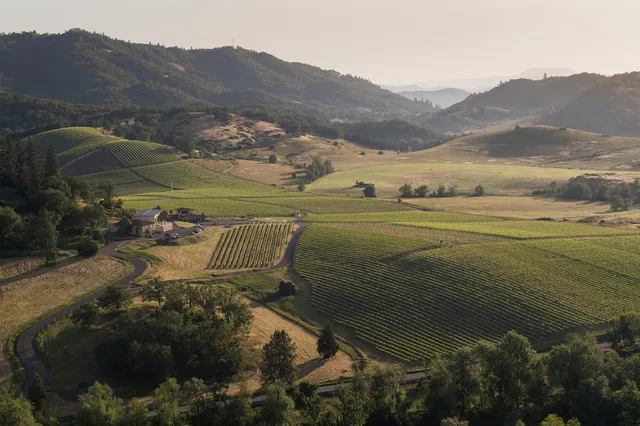
Abacela
Roseburg · Umpqua Valley
3 medals, 2026 Oregon Wine Awards
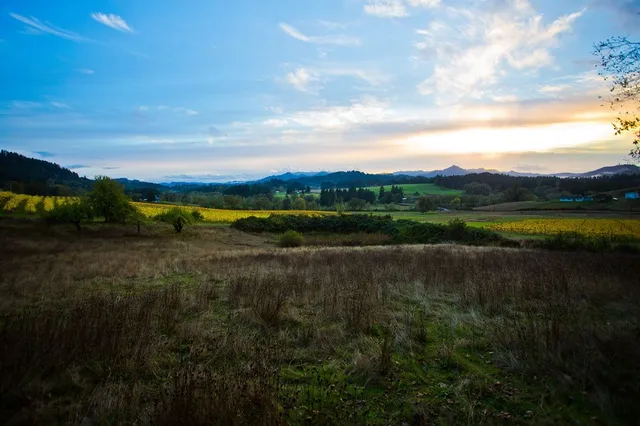
Bradley Vineyards Tasting Room
Elkton · Umpqua Valley
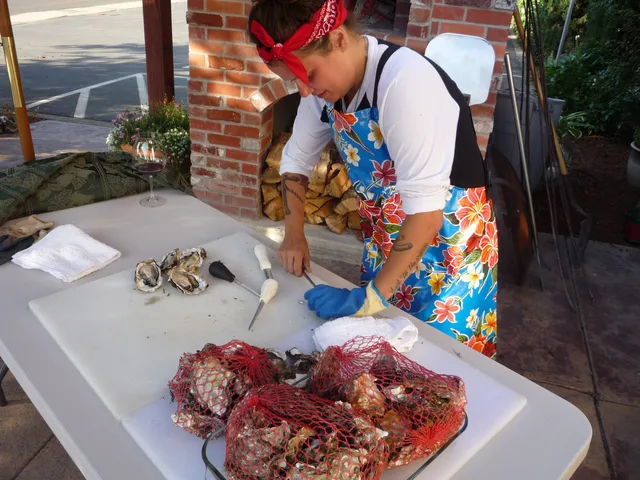
Brandborg Vineyard & Winery
Elkton · Umpqua Valley
Only winery with EV charging in Elkton
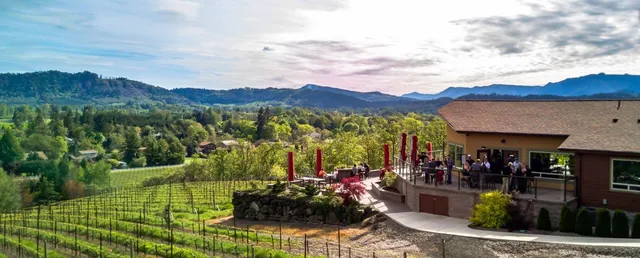
Cooper Ridge Vineyard
Roseburg · Umpqua Valley
Freed Estate Winery
Winston · Umpqua Valley
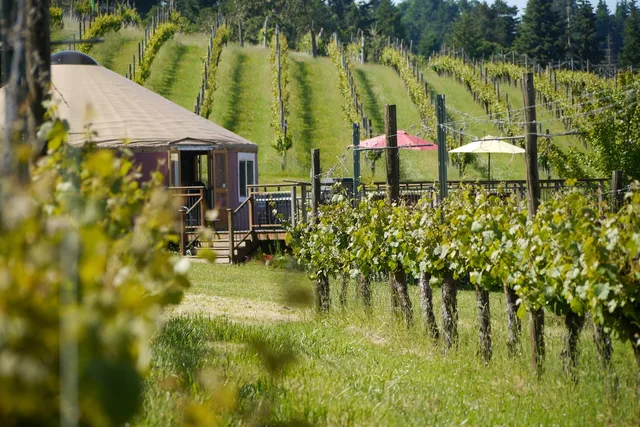
Haines Creek Vineyard & Tasting Room
Elkton · Umpqua Valley · Tasting room
Only winery that hosts weddings in Elkton
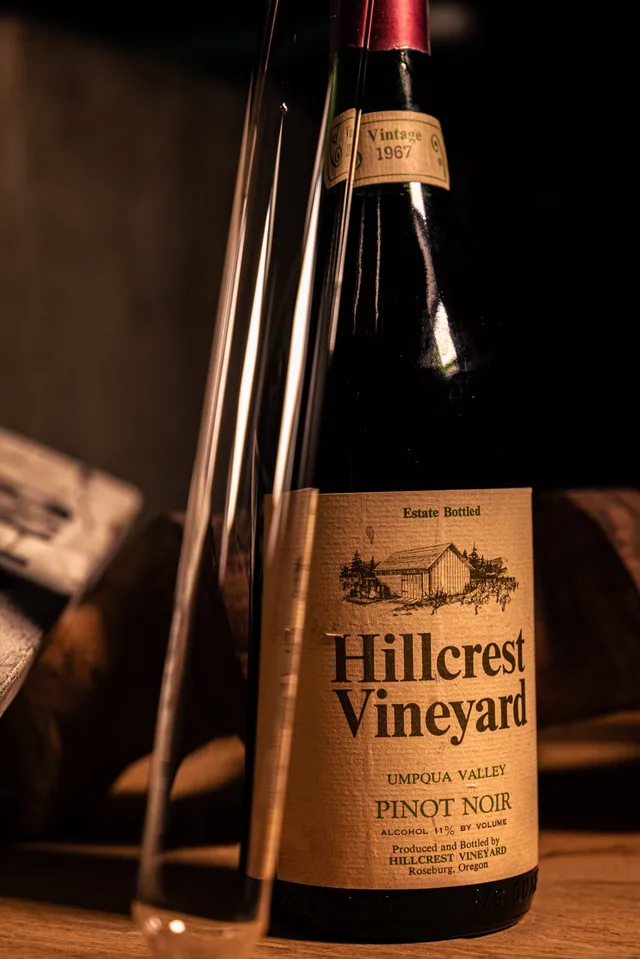
HillCrest Vineyard
Roseburg · Umpqua Valley
16 varieties poured
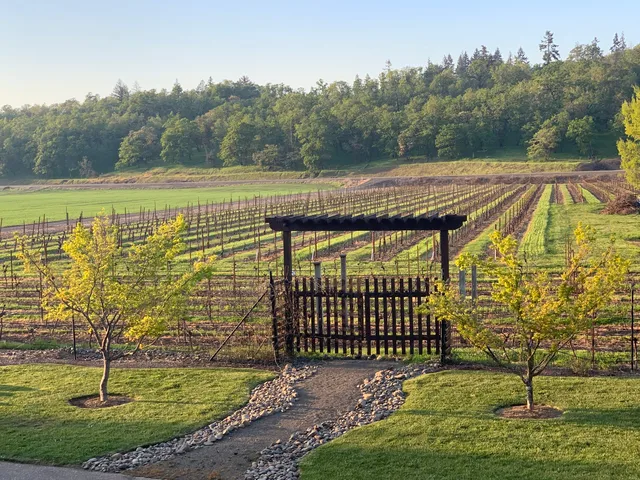
Knostman Family Winery
Roseburg · Umpqua Valley
6 new labels this year
Melrose Vineyards
Roseburg · Umpqua Valley
13 varieties poured
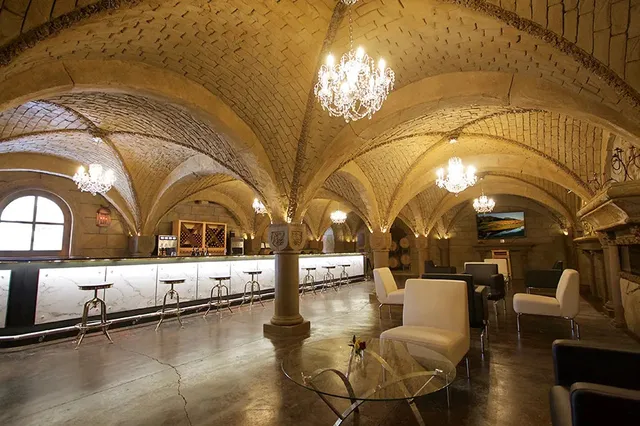
Reustle-Prayer Rock Vineyards
Roseburg · Umpqua Valley
14 varieties poured
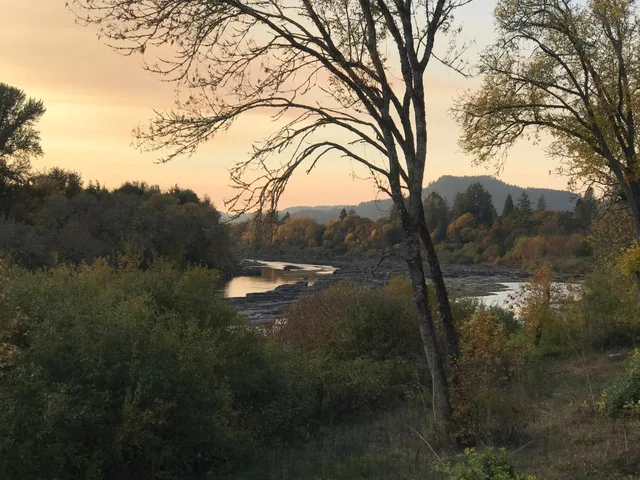
River’s Edge Winery
Elkton · Umpqua Valley
Only certified-sustainable winery in Elkton
AVAs in Umpqua Valley
Cities in Umpqua Valley
Top varieties in Umpqua Valley
Frequently asked questions
What wineries are in Umpqua Valley?
11 wineries and tasting rooms are in Umpqua Valley, including Abacela, Bradley Vineyards Tasting Room, and Brandborg Vineyard & Winery.
Can you visit Umpqua Valley wineries without an appointment?
91% of wineries in Umpqua Valley welcome walk-ins without an appointment.
What wine varieties are grown in Umpqua Valley?
The most common varieties in Umpqua Valley are Rosé, Pinot Noir, and Red Blend.